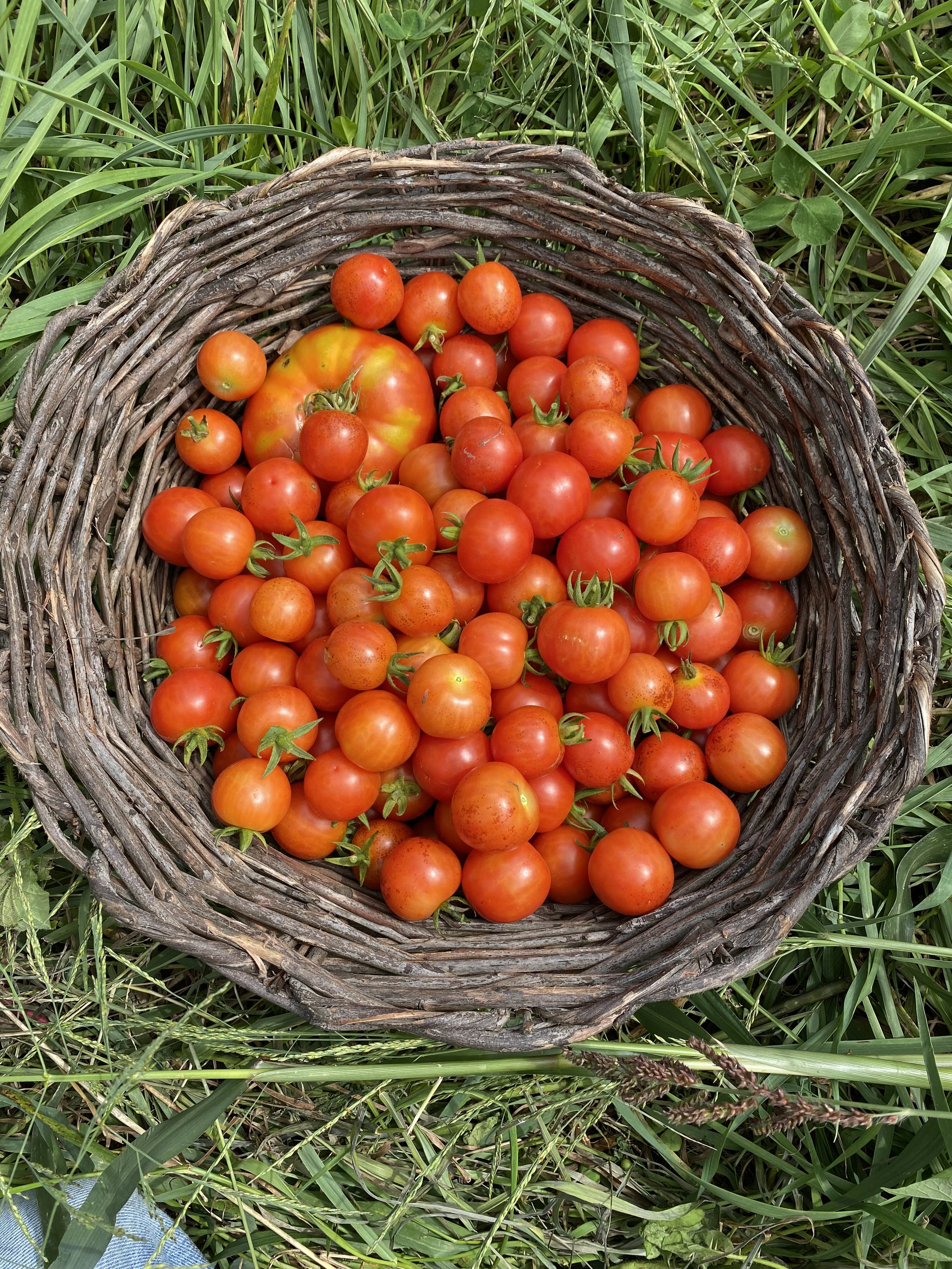
Taste the difference
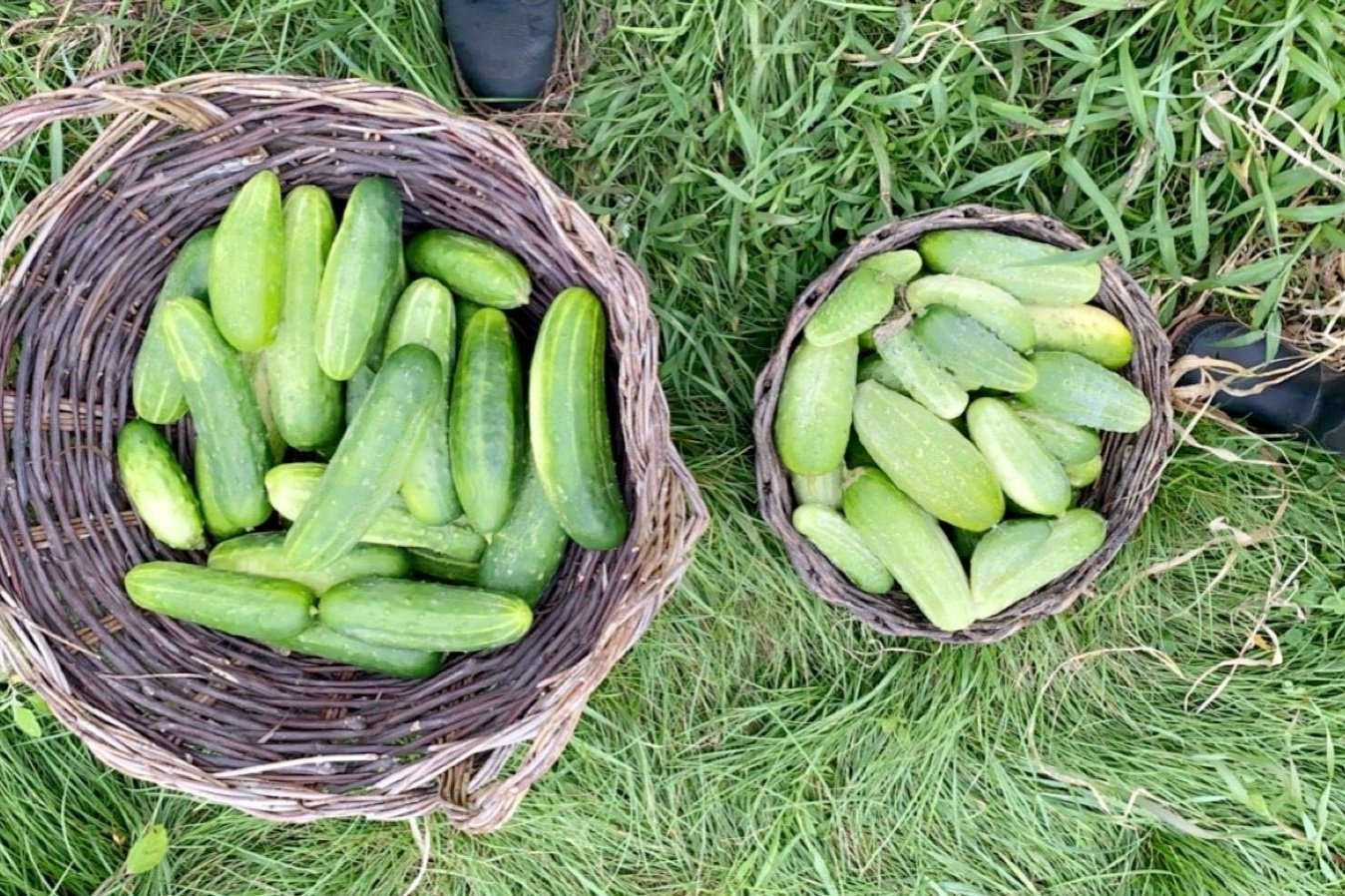
What is Regenerative Agriculture?
-
Back to the Roots
Regenerative farming is about working with nature, not against it. By studying natural ecosystems and the processes that sustain them, we learn how to grow food in ways that support healthy soil, thriving biodiversity, and resilient farms.
-
Nature as a model
In nature, bare soil is rare. Over millions of years, natural systems evolved to protect and nourish the soil through diverse plant life, continuous ground cover, and natural cycles that build carbon, improve soil structure, and support life above and below the surface.
Modern agricultural practices, such as tillage and monocropping (growing a single crop over large areas), disrupt these systems. Tillage exposes soil to erosion and nutrient loss, while monocultures reduce biodiversity and limit the soil’s natural ability to regenerate. Over time, this leads to dry, depleted soils that struggle to support healthy crops.
By looking to nature as our guide, regenerative agriculture focuses on rebuilding soil health, increasing biodiversity, and creating resilient farm ecosystems that work with nature—not against it.
-
What's the difference?
For much of the last century, conventional agriculture has treated farms as systems of inputs and outputs, rather than as living ecosystems. This approach often relies on frequent tillage and external fertilizers to maintain production.
No-till regenerative farming works differently. By minimizing soil disturbance and encouraging diverse soil life, it builds natural fertility and strong soil structure from the ground up. Instead of forcing productivity, regenerative practices support the biological processes that allow soil to feed plants naturally and remain healthy over time.
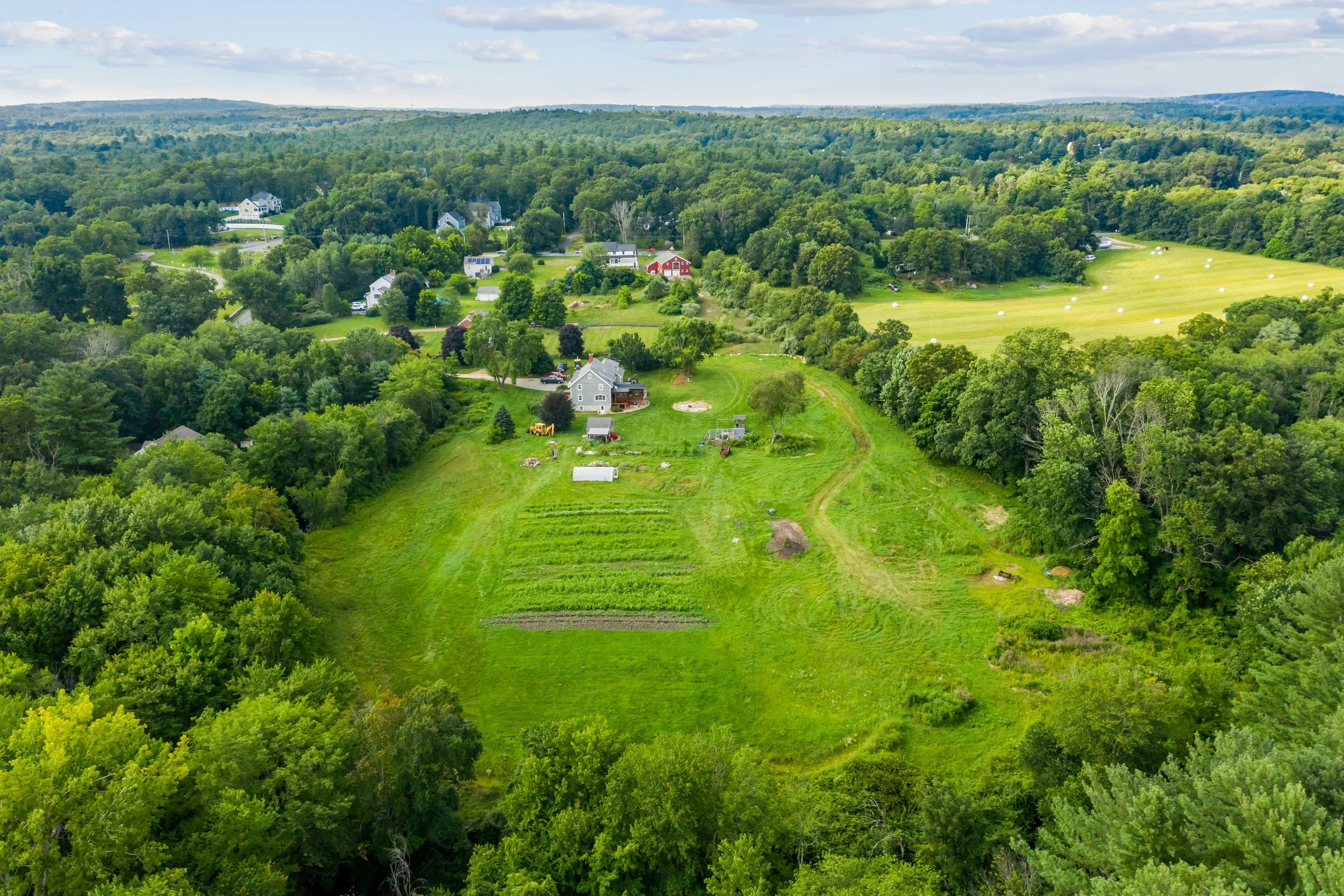
How we practice Regenerative agriculture at Tillfree Farm:
At Tillfree Farm, we view our farm as a living ecosystem. Every decision we make is designed to work with nature, not against it.
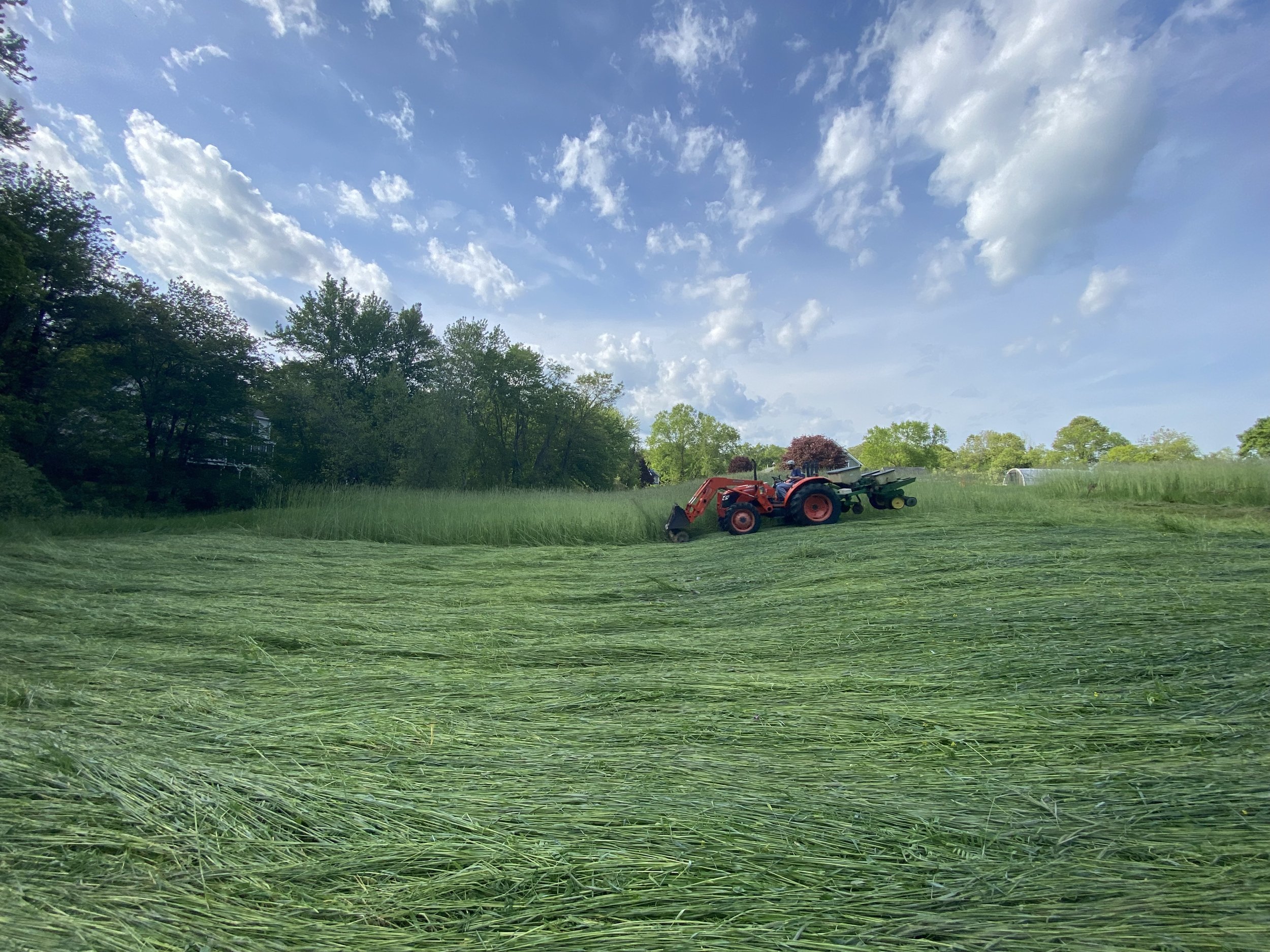
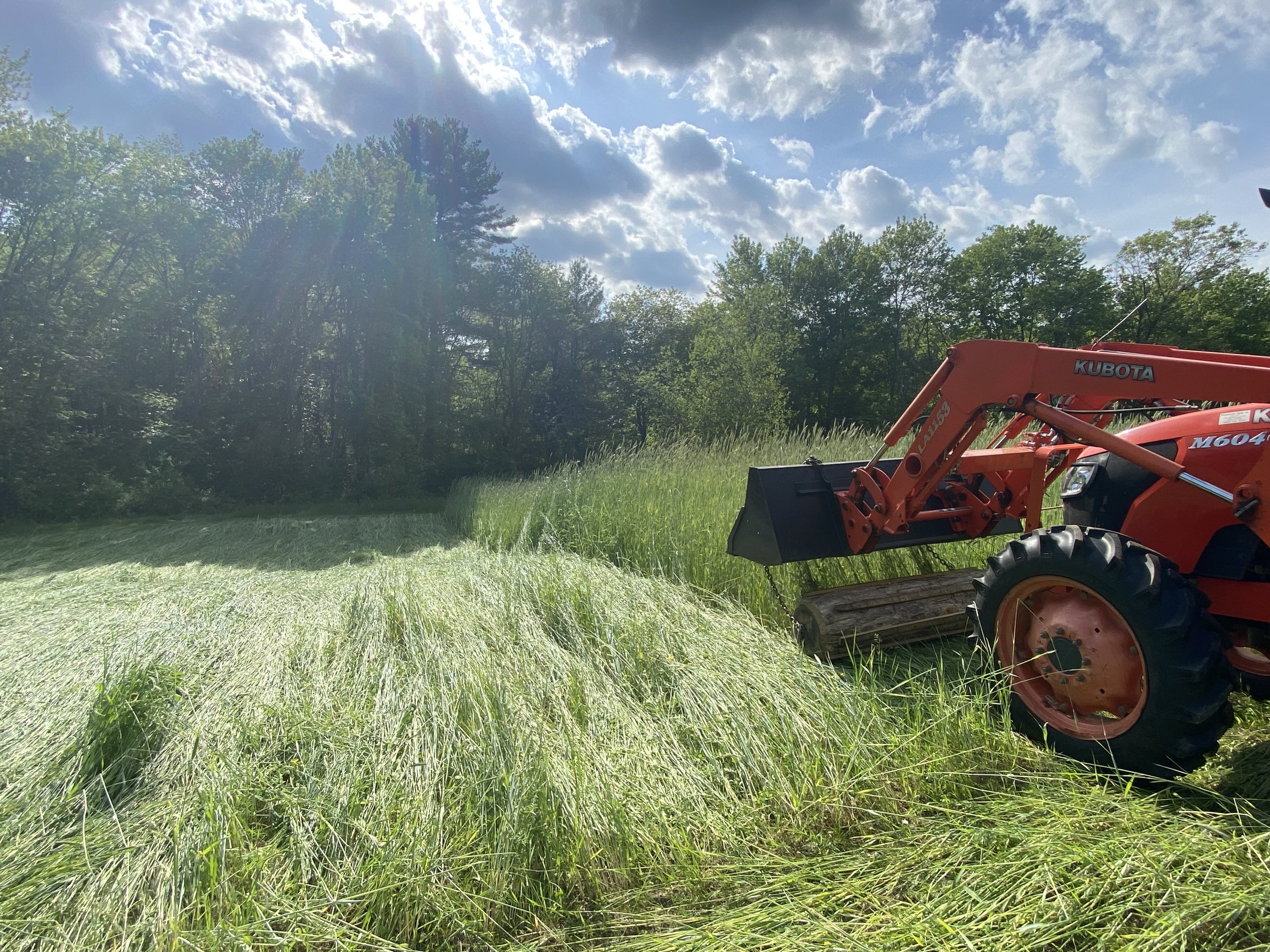
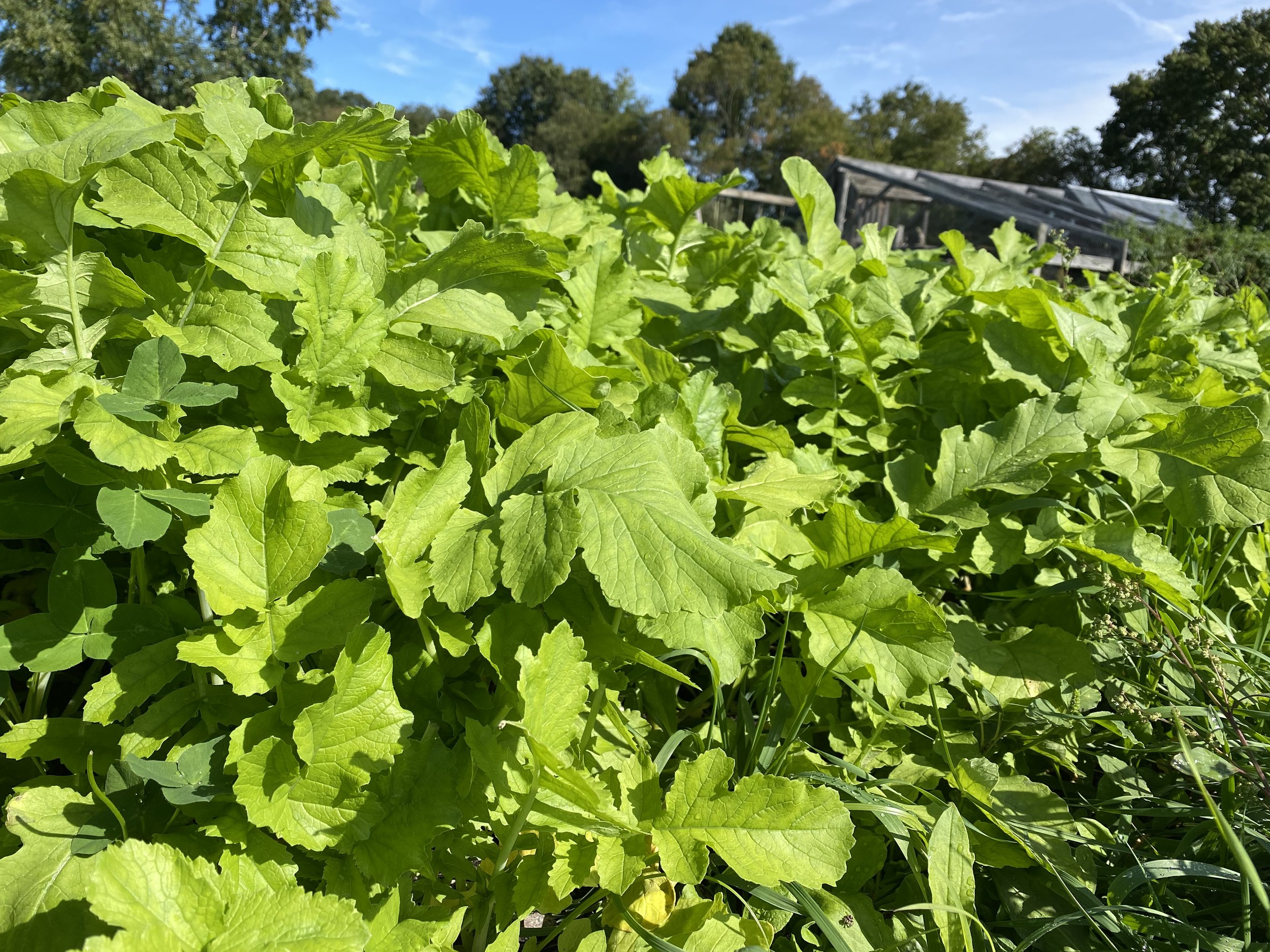
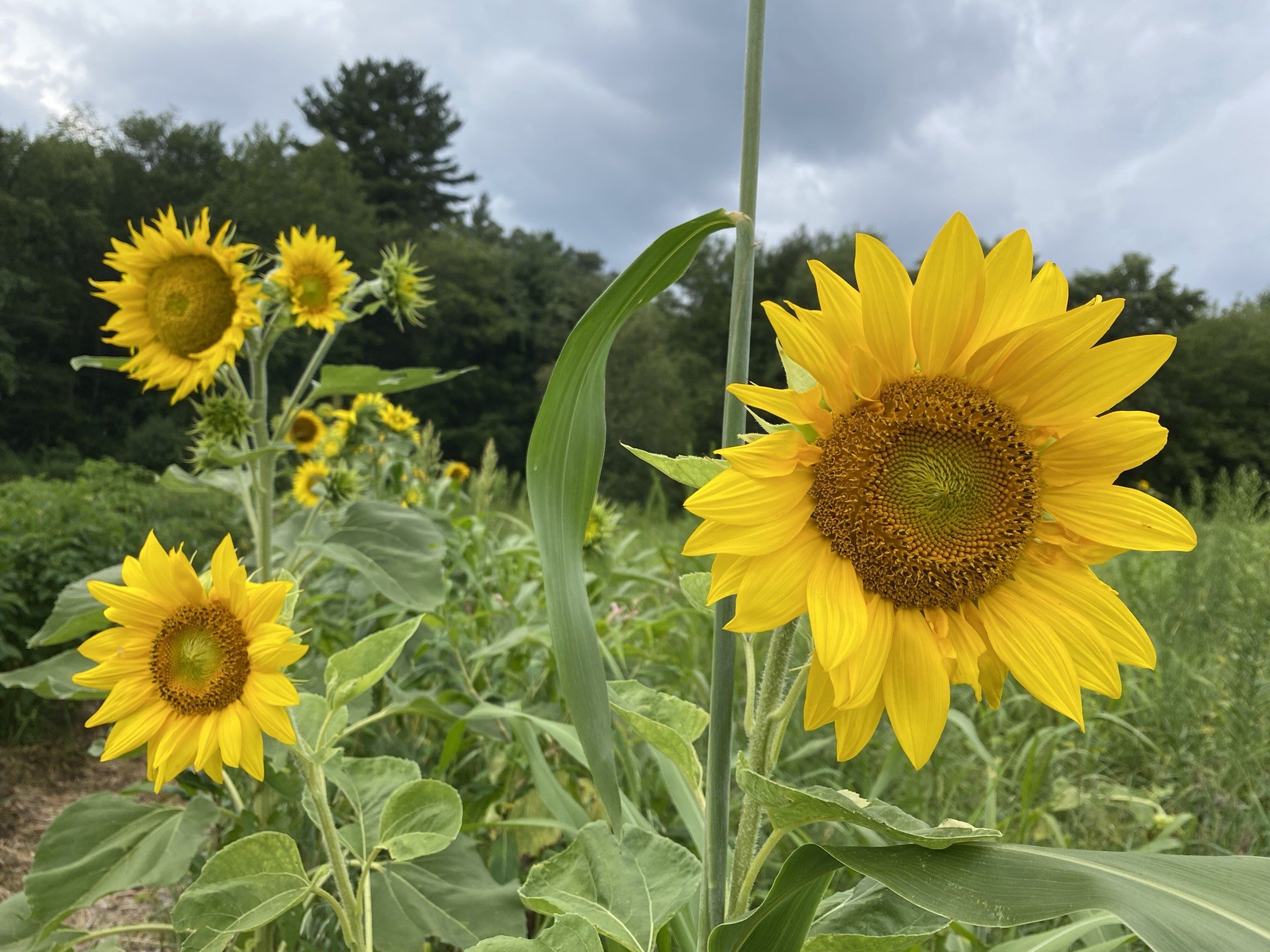
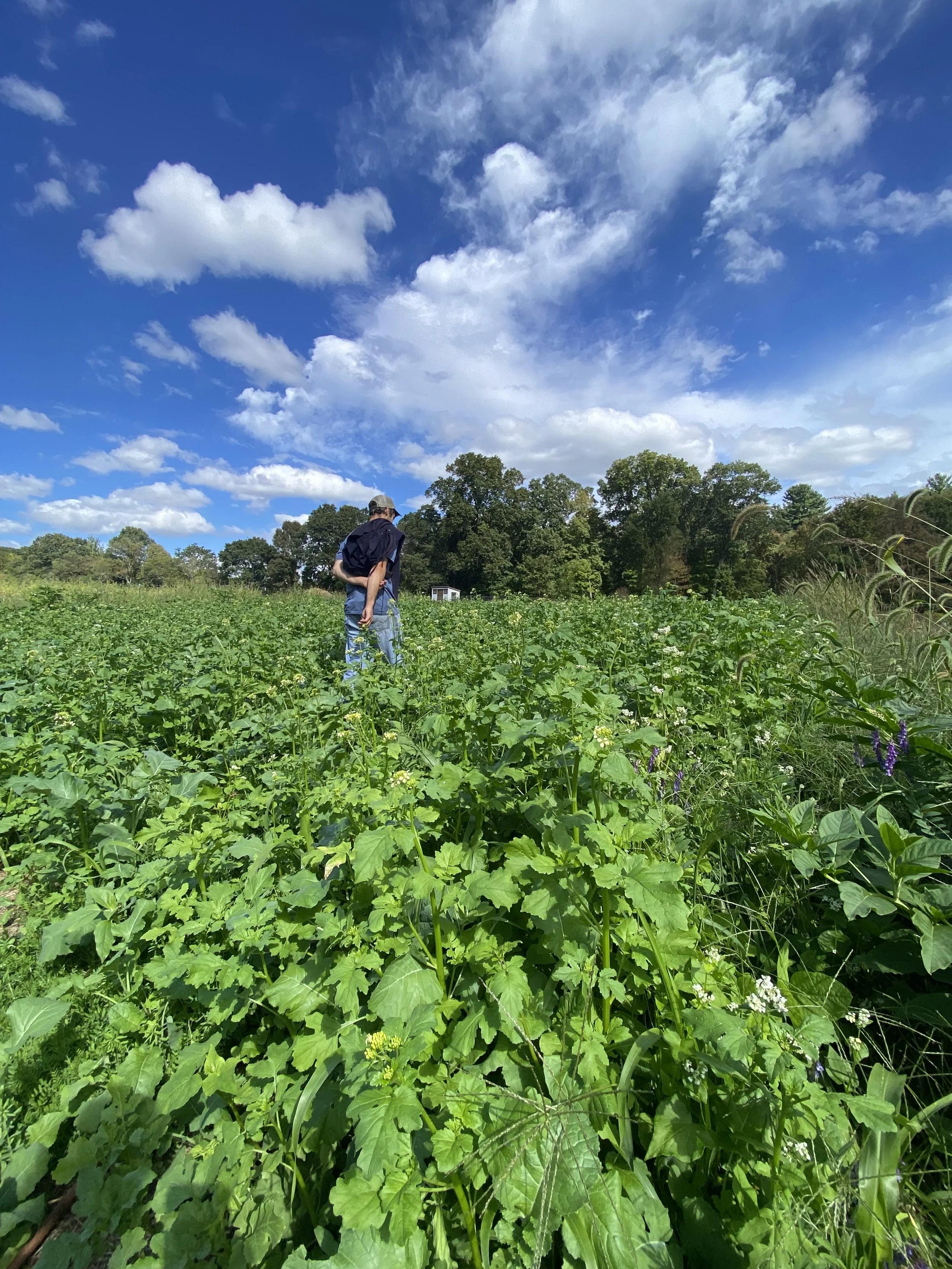
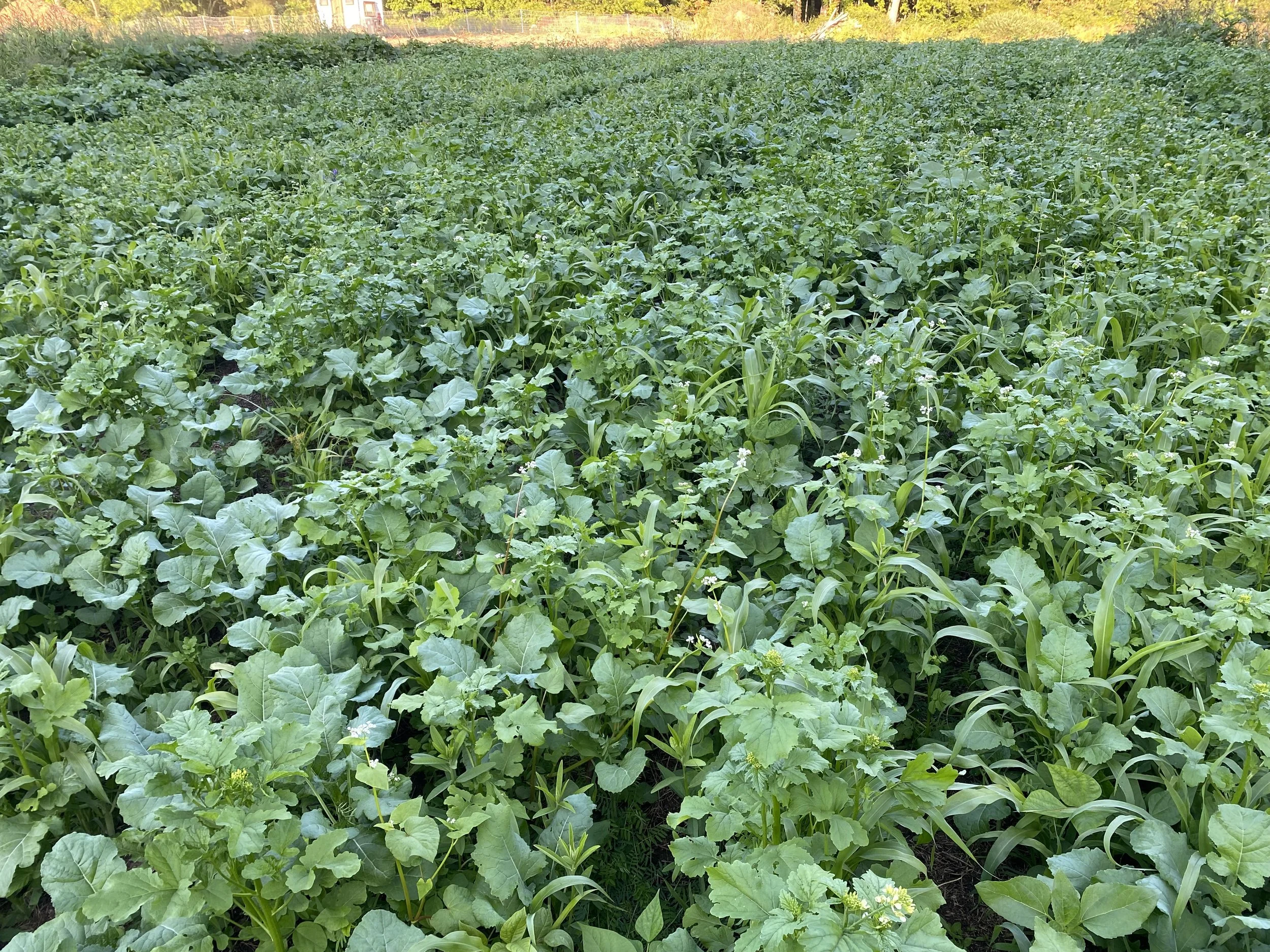
We use a diverse mix of food crops and cover crops to maintain soil fertility, support healthy soil biology, and naturally loosen the soil.
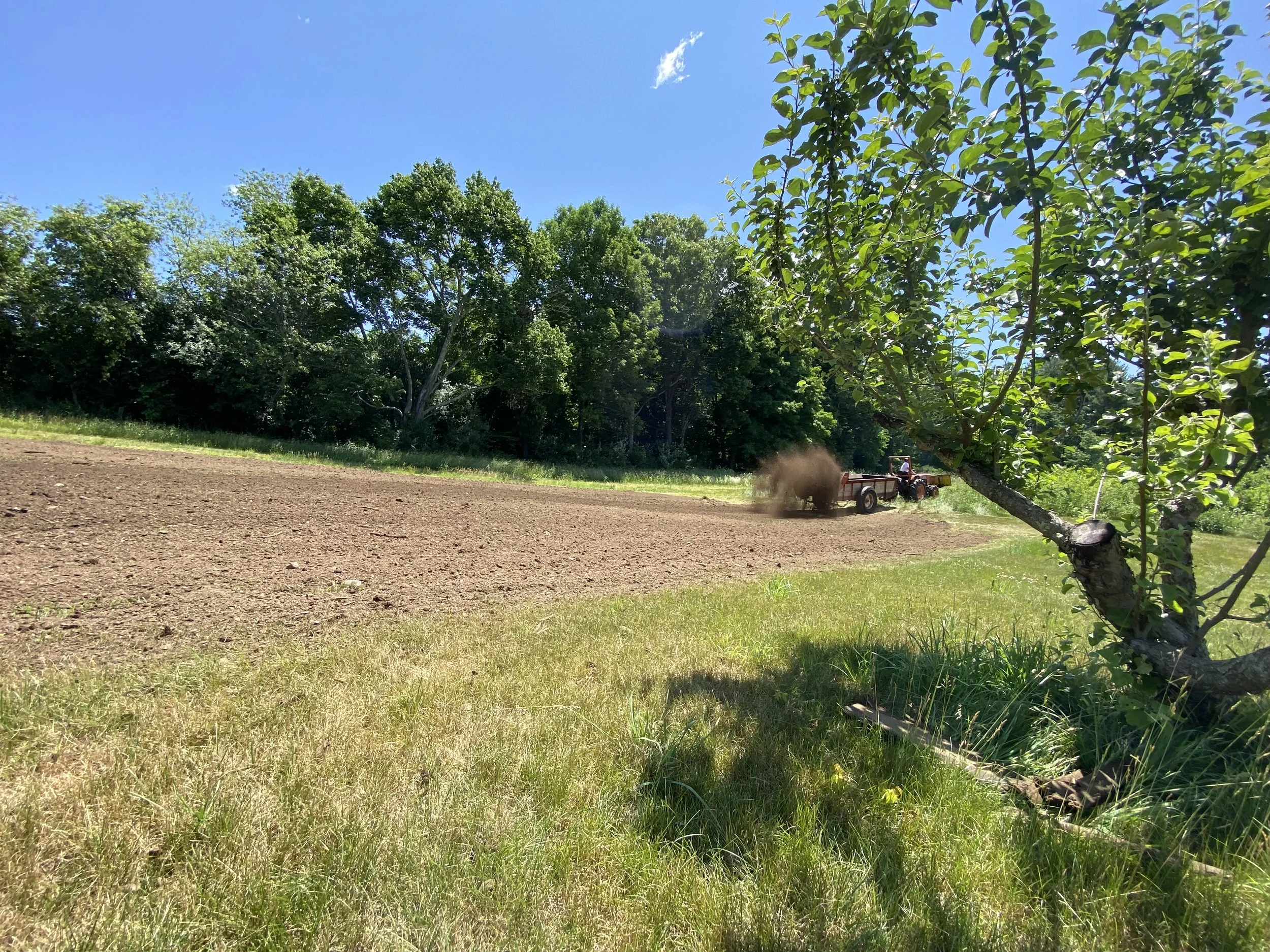
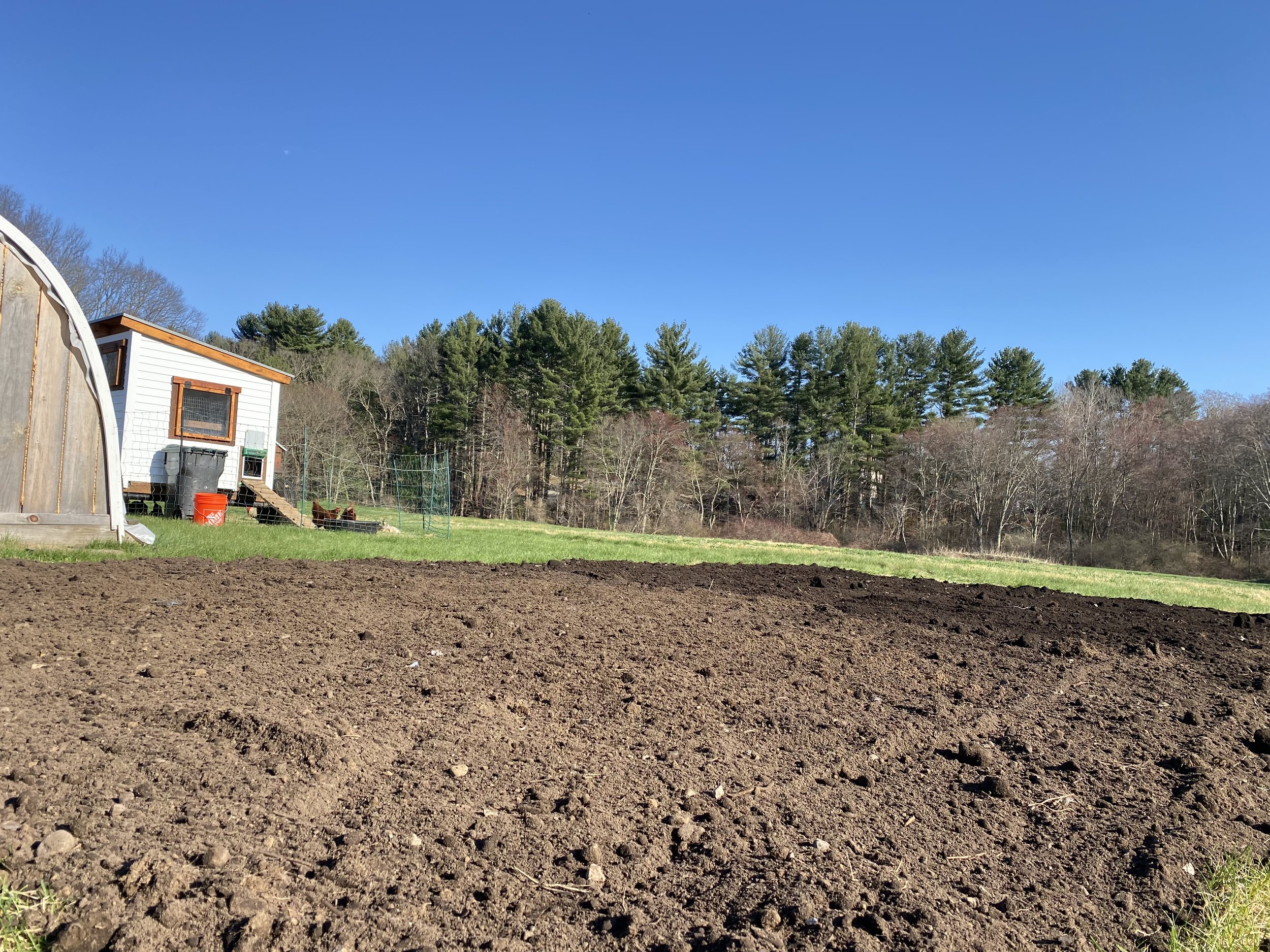
Locally sourced compost, wood chips, and leaves replace bagged fertilizers, enriching the soil while reducing the need for hand weeding.
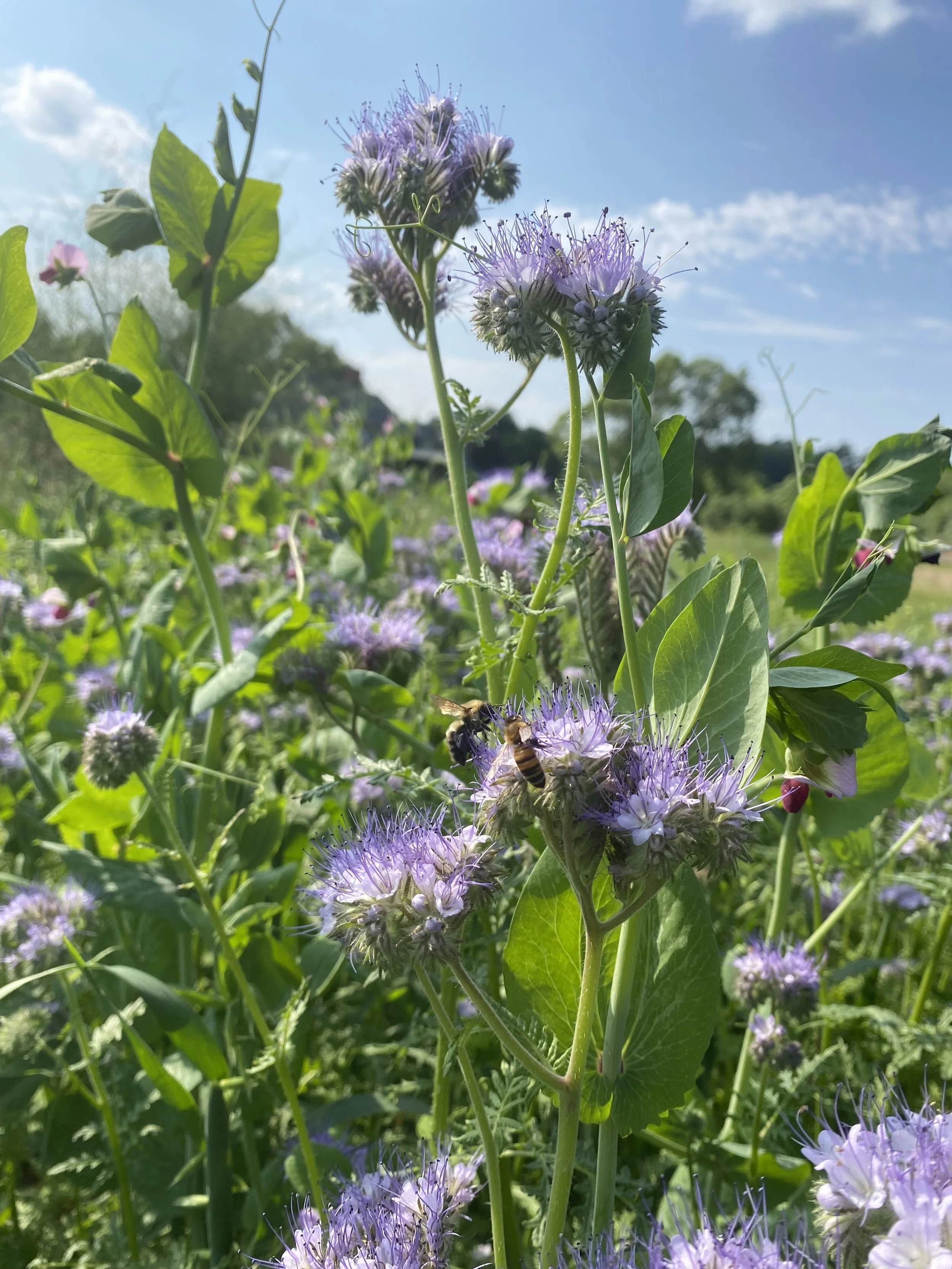
We also carefully select companion plants to attract beneficial insects that naturally control pests, eliminating the need for chemical insecticides and improving the overall resilience of our farm ecosystem.
By combining these practices, we create a healthy, self-sustaining farm that produces nutrient-rich food while restoring and protecting the soil for years to come.